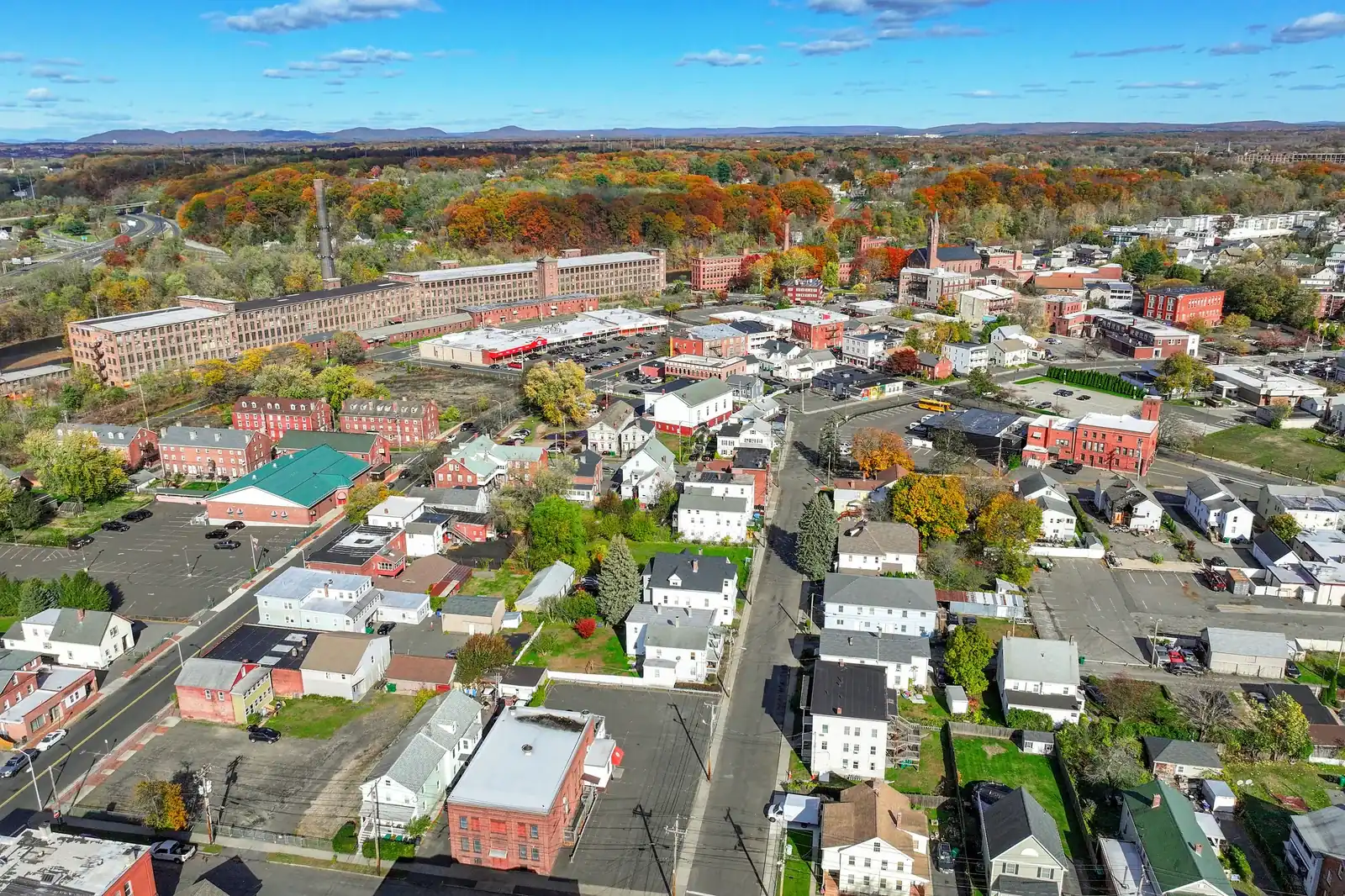
Junk Removal in Western Massachusetts
We connect you with independent Western Mass junk haulers. We are not a hauler.
Junk Removal Across Western Massachusetts
Junk Removal Western Mass is a referral service for people in Chicopee, MA and across Hampden, Hampshire and Franklin counties. You tell us what needs to go, we pass it to one independent local junk hauler, and they come out and give you a price. There is no cost to you and nothing to sign.
We are not the crew who carries your couch down the stairs, and we would rather say that on the first screen than bury it in a policy page. We are the people who find you a good one. Your details go to a single hauler rather than being sold to six of them, which is the difference between one phone call and a week of them.
The haulers cover all 68 towns in the three western counties, from Springfield and Holyoke out to the Franklin County hilltowns. Some of those are an hour and a half away and we say so on the page rather than pretending everywhere is the same drive.
Why a local hauler and not a national brand
Because Massachusetts is genuinely different, and the difference costs money. Eighteen categories of material are banned from disposal here under 310 CMR 19.017, including mattresses and textiles since 1 November 2022. A hauler who does not sort on the truck gets a load rejected at the transfer station gate, and that cost lands on somebody.
Somebody who works these towns every week also knows that Holyoke collects no furniture at all, that Springfield charges $16 for a mattress, and that a queen box spring will not turn on a Chicopee stairwell landing. That is not trivia. It is the difference between an accurate quote and a revised one.
We do not haul, remove or dispose of anything ourselves. Every job on this site is done by an independent hauler who carries their own permits and insurance.
What Gets Hauled Around Here
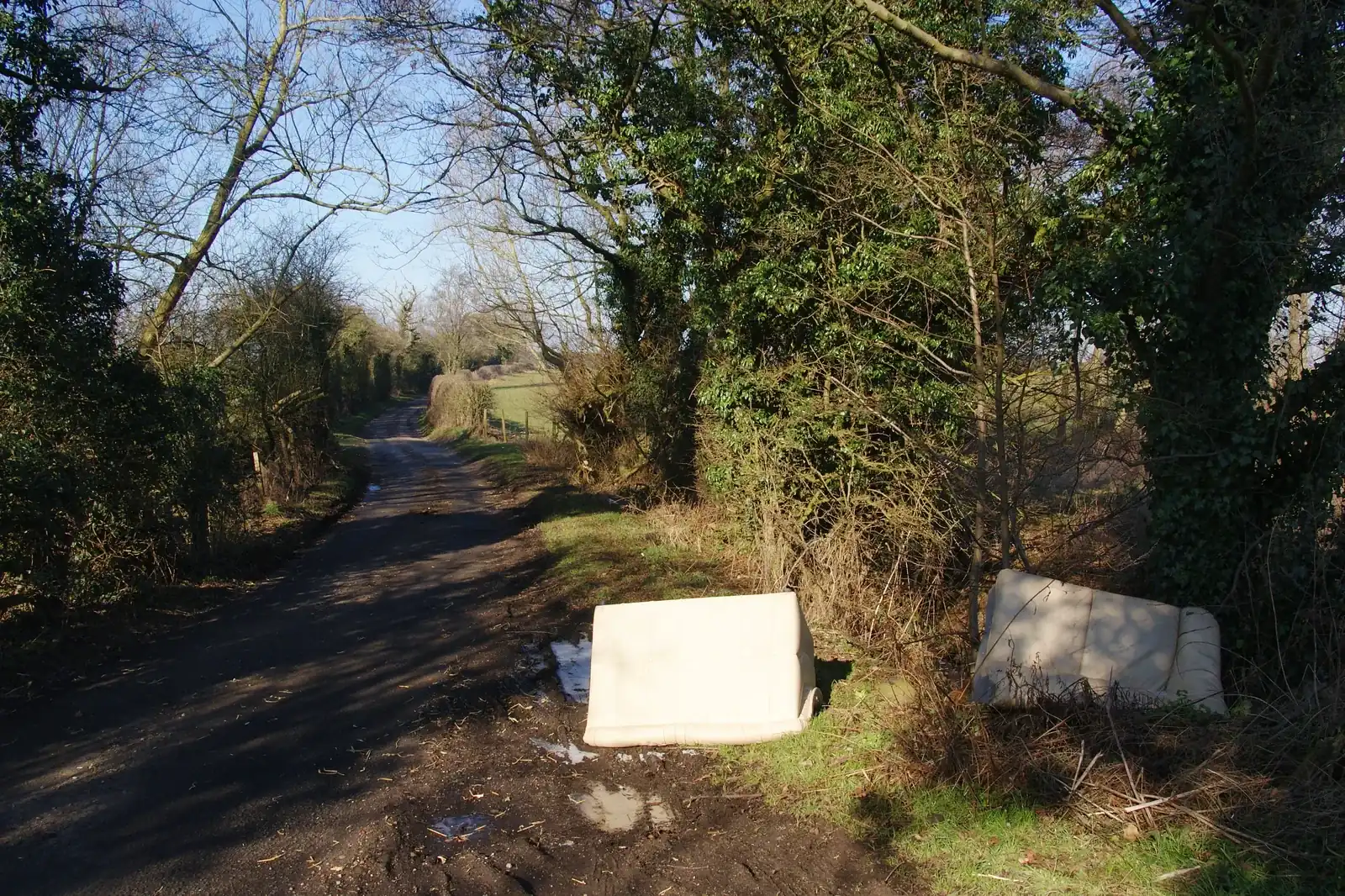
Furniture Removal
Couches, dressers, tables and bed frames carried out of the room they are in, not the curb you dragged them to.
Learn More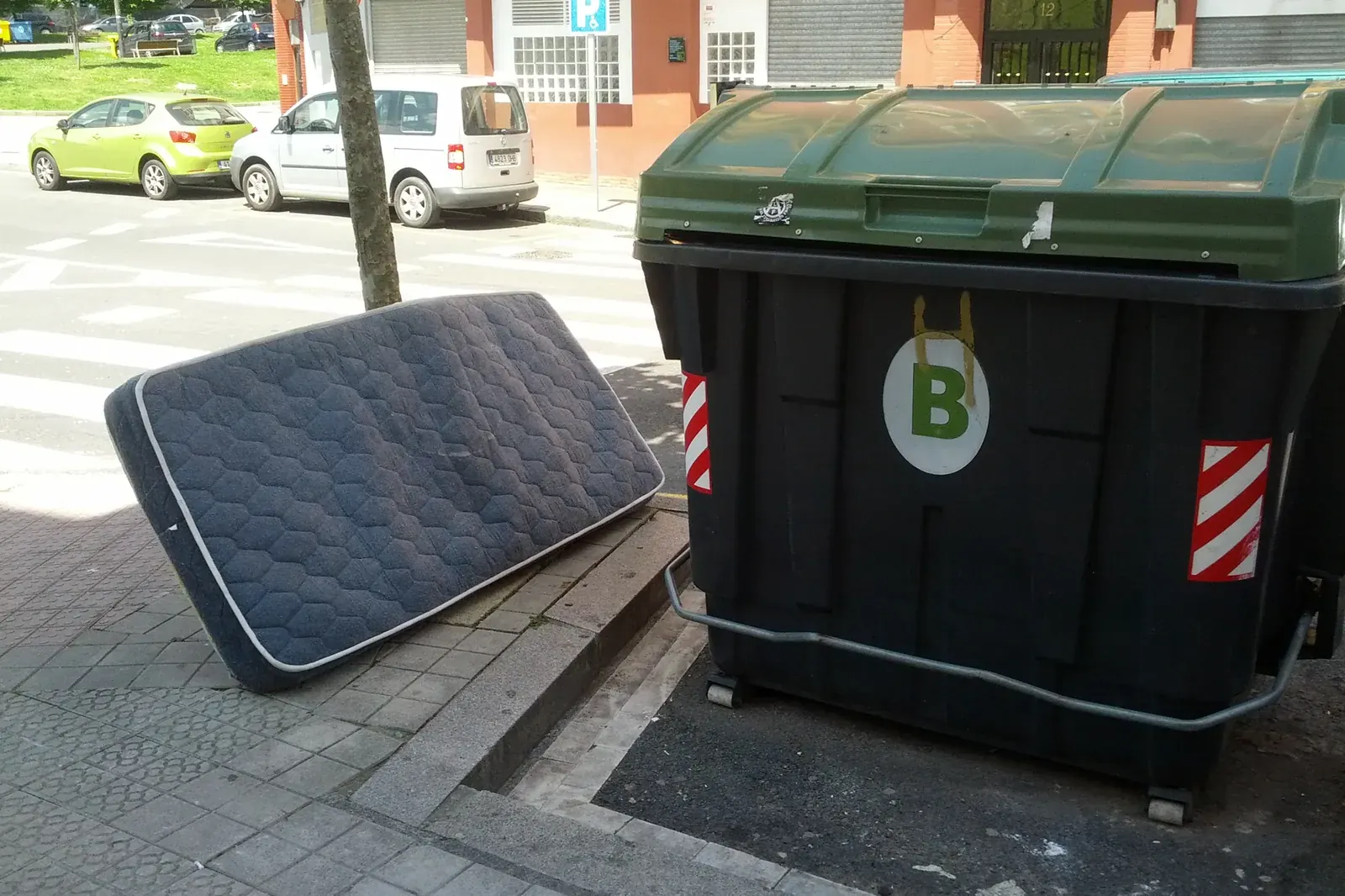
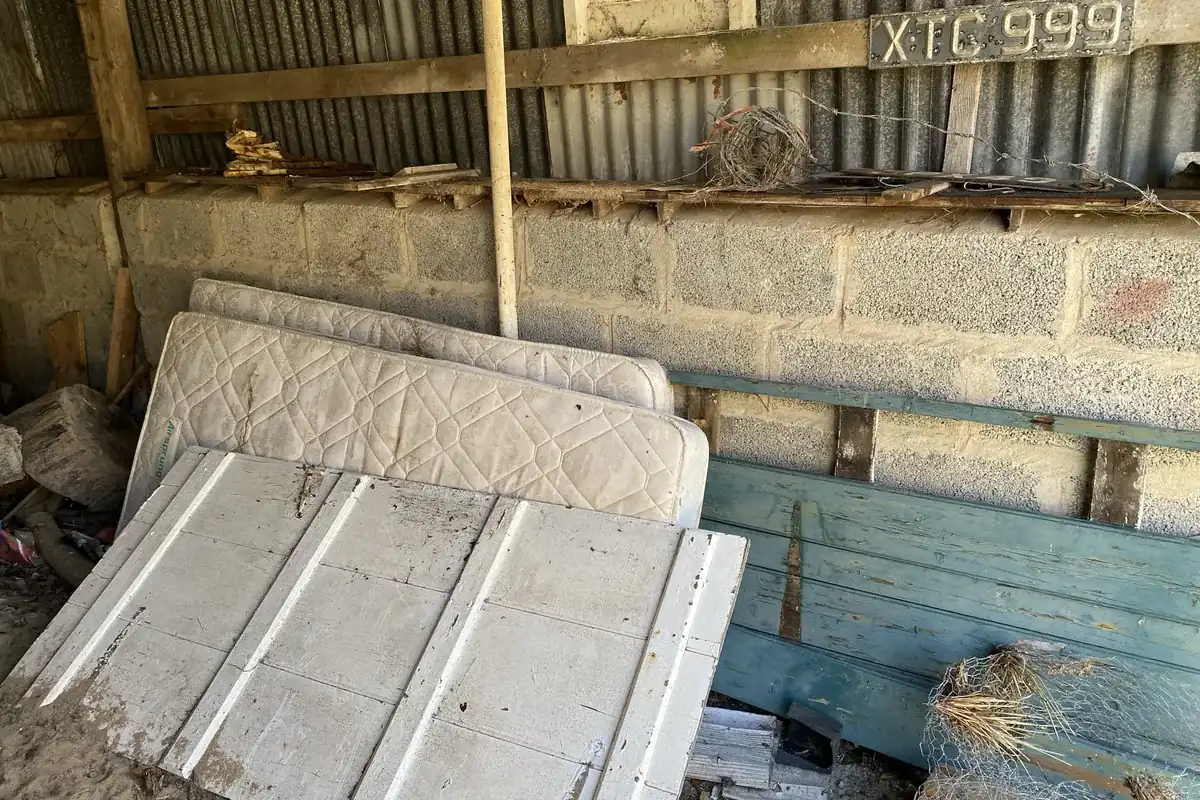
Mattress and Box Spring Removal
Banned from the trash in Massachusetts since 2022, so it goes to a recycler rather than a transfer station.
Learn More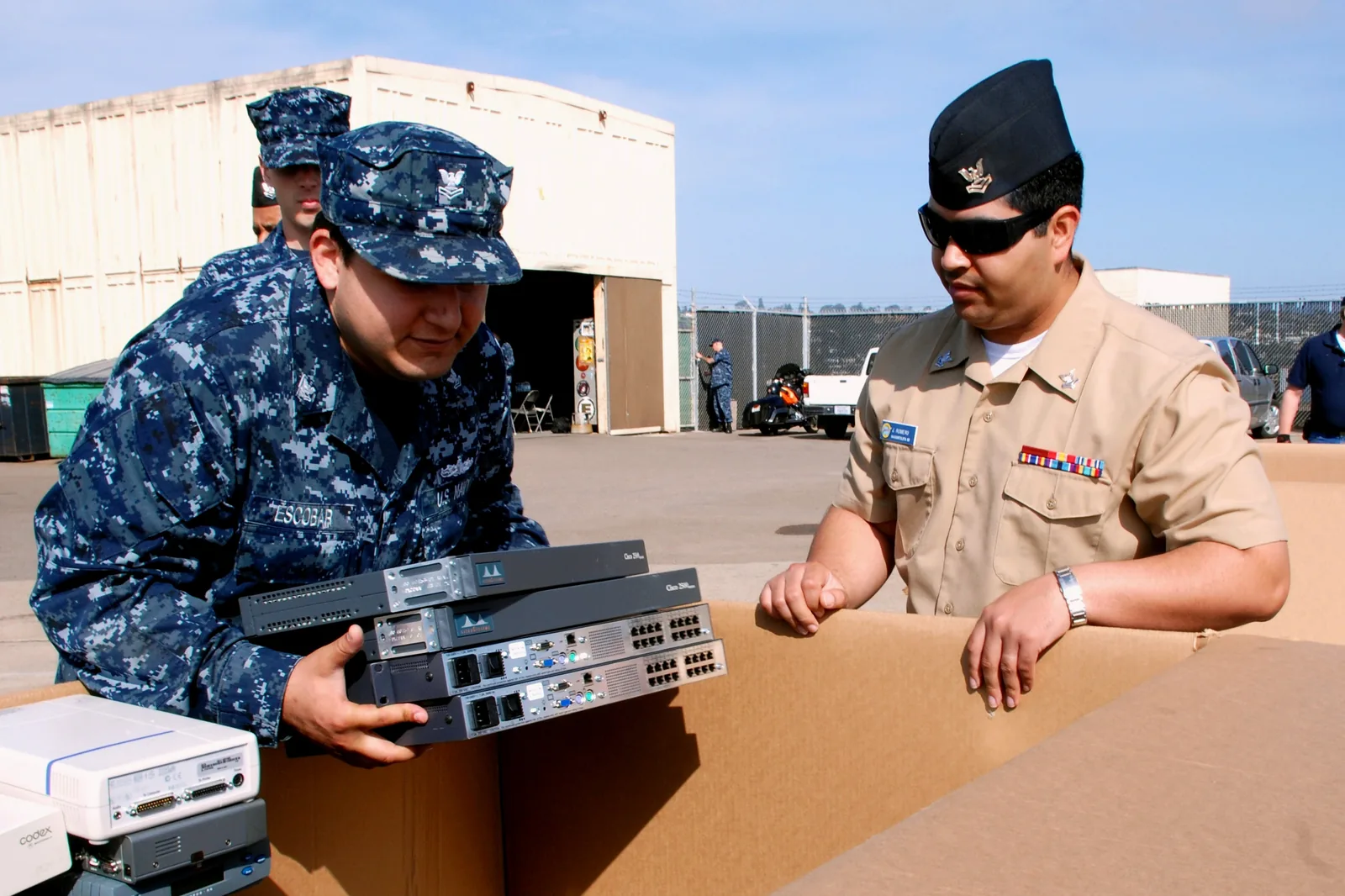
Appliance Removal
Fridges, washers and stoves. Anything with refrigerant needs certified recovery before it can be scrapped.
Learn More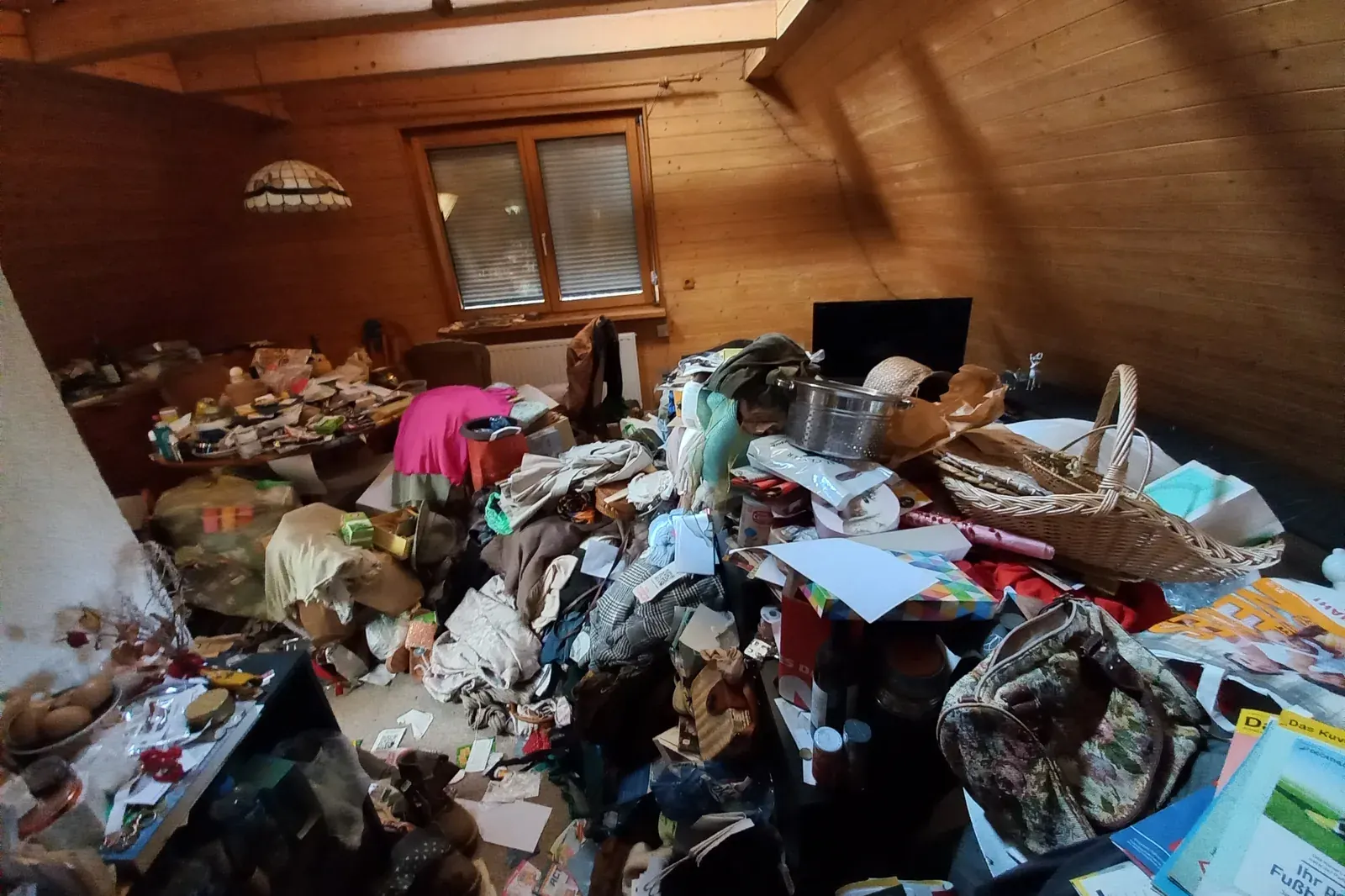
Estate Cleanout
A whole house, usually on a deadline. Several truckloads over one to three days, sorted rather than tipped.
Learn More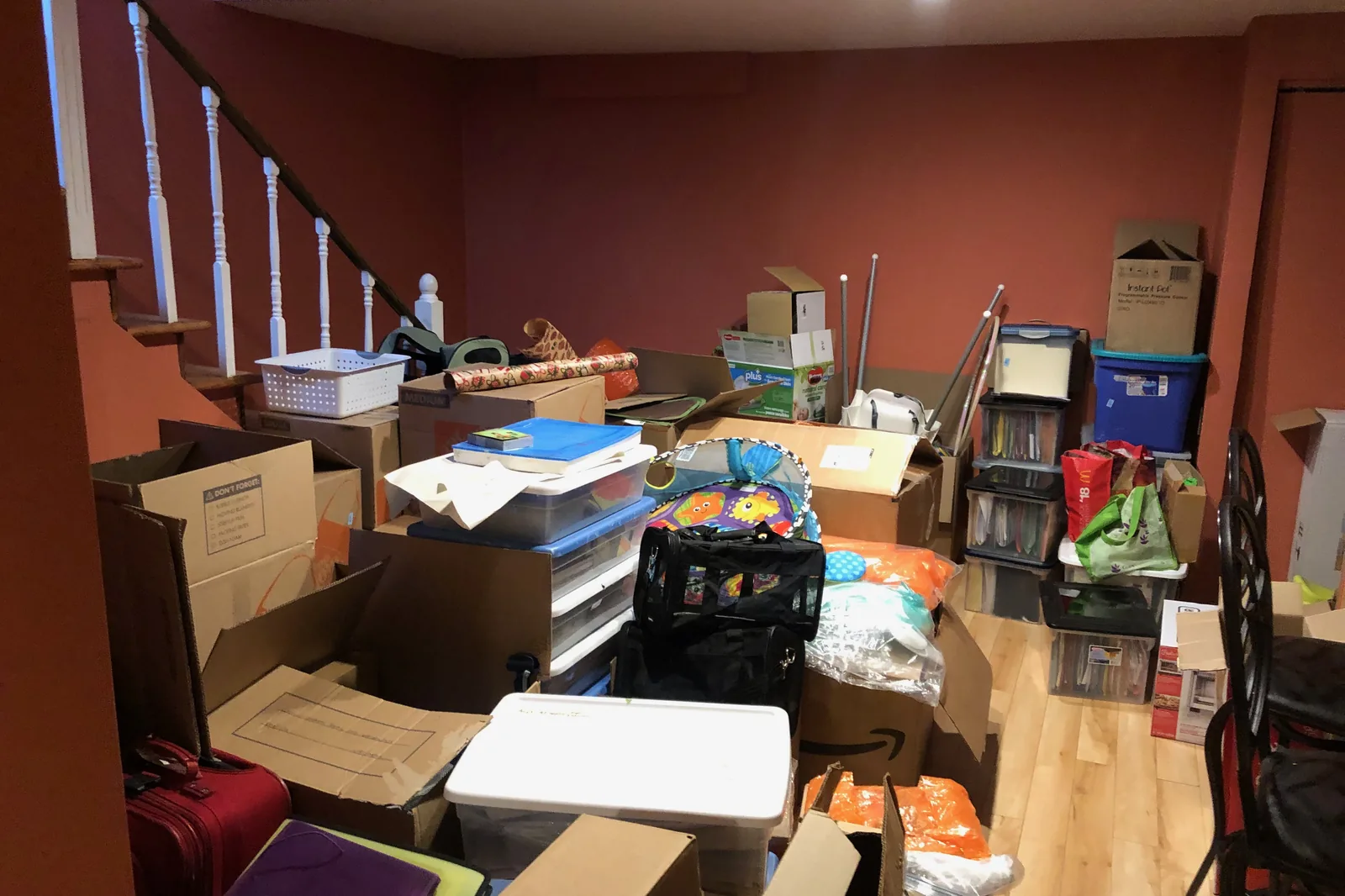
Basement Cleanout
Everything, uphill. The stairs set the price on this one, not the volume.
Learn More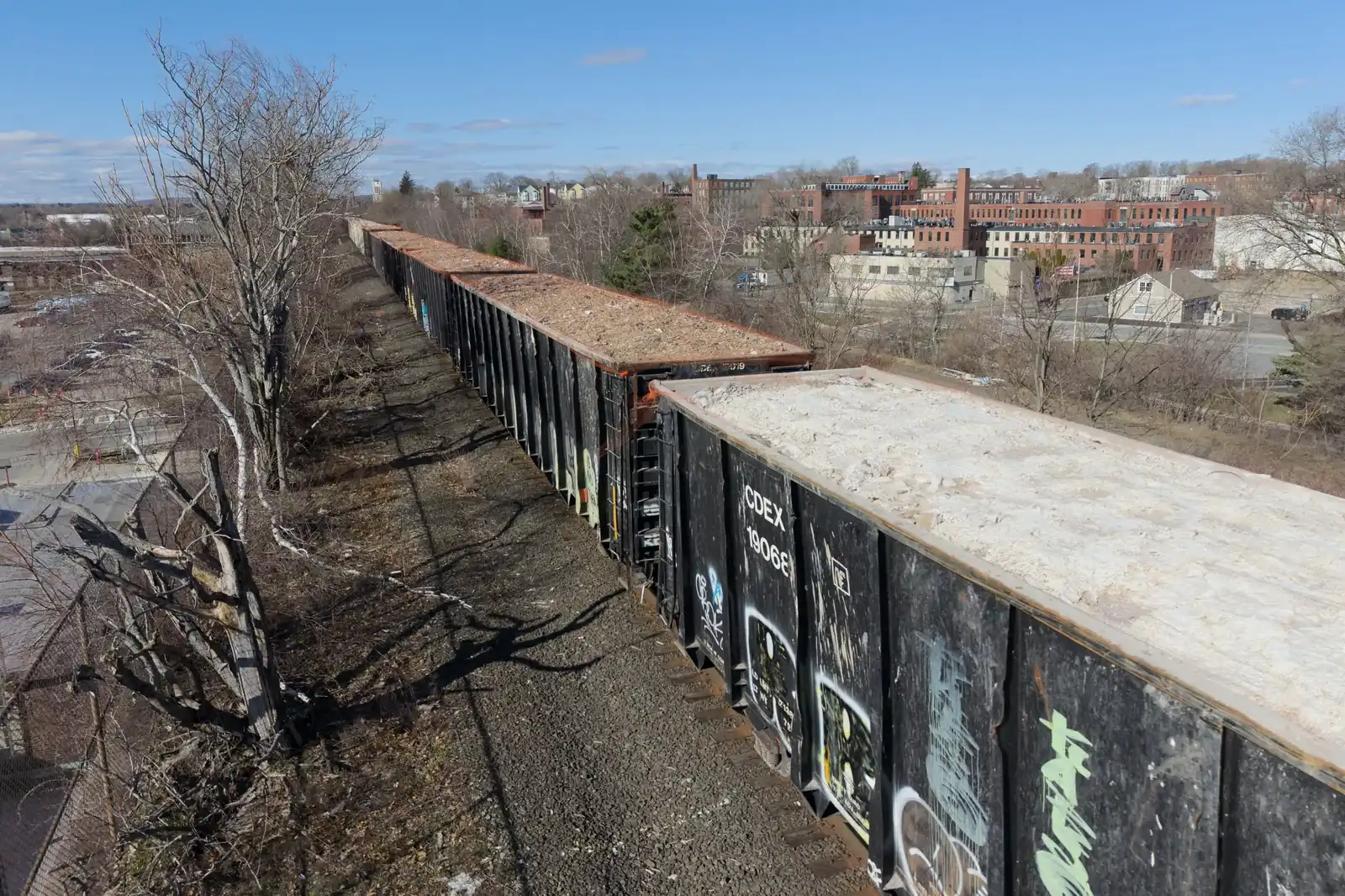
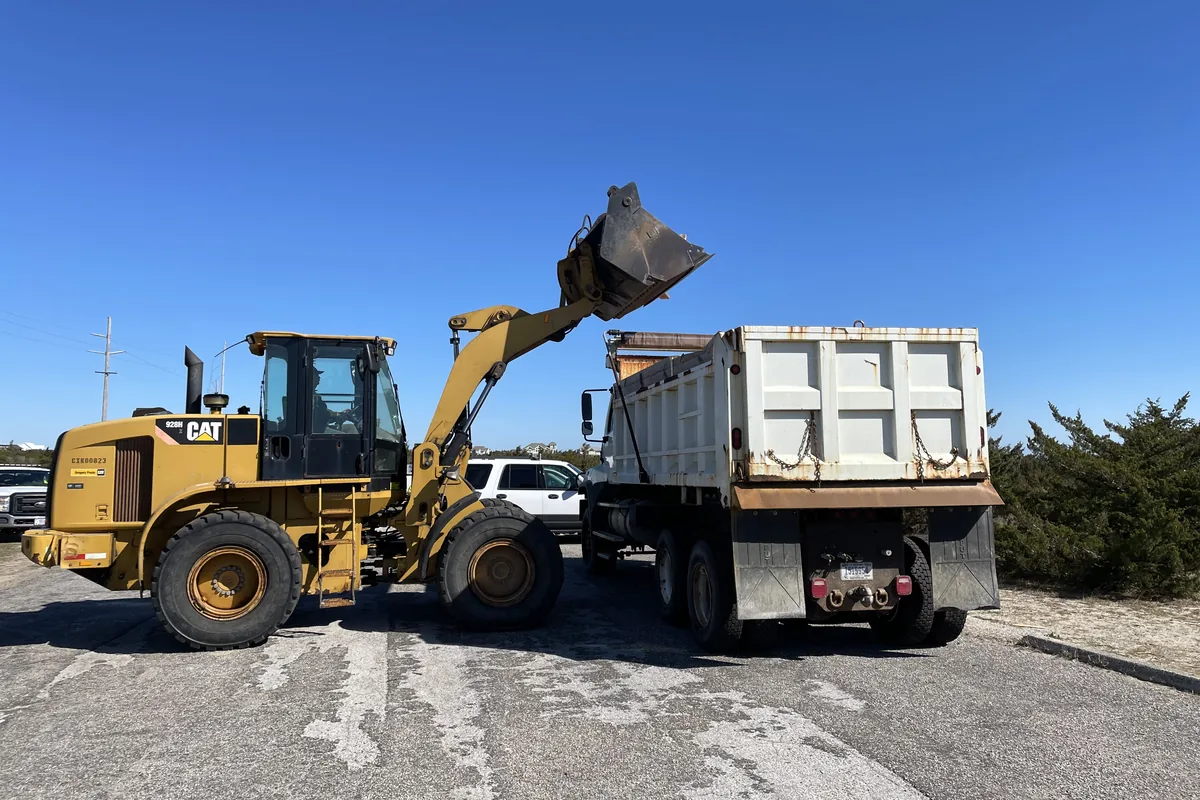
Construction and Renovation Debris Removal
Priced by weight rather than volume, because debris fills a truck's legal limit long before it fills the truck.
Learn More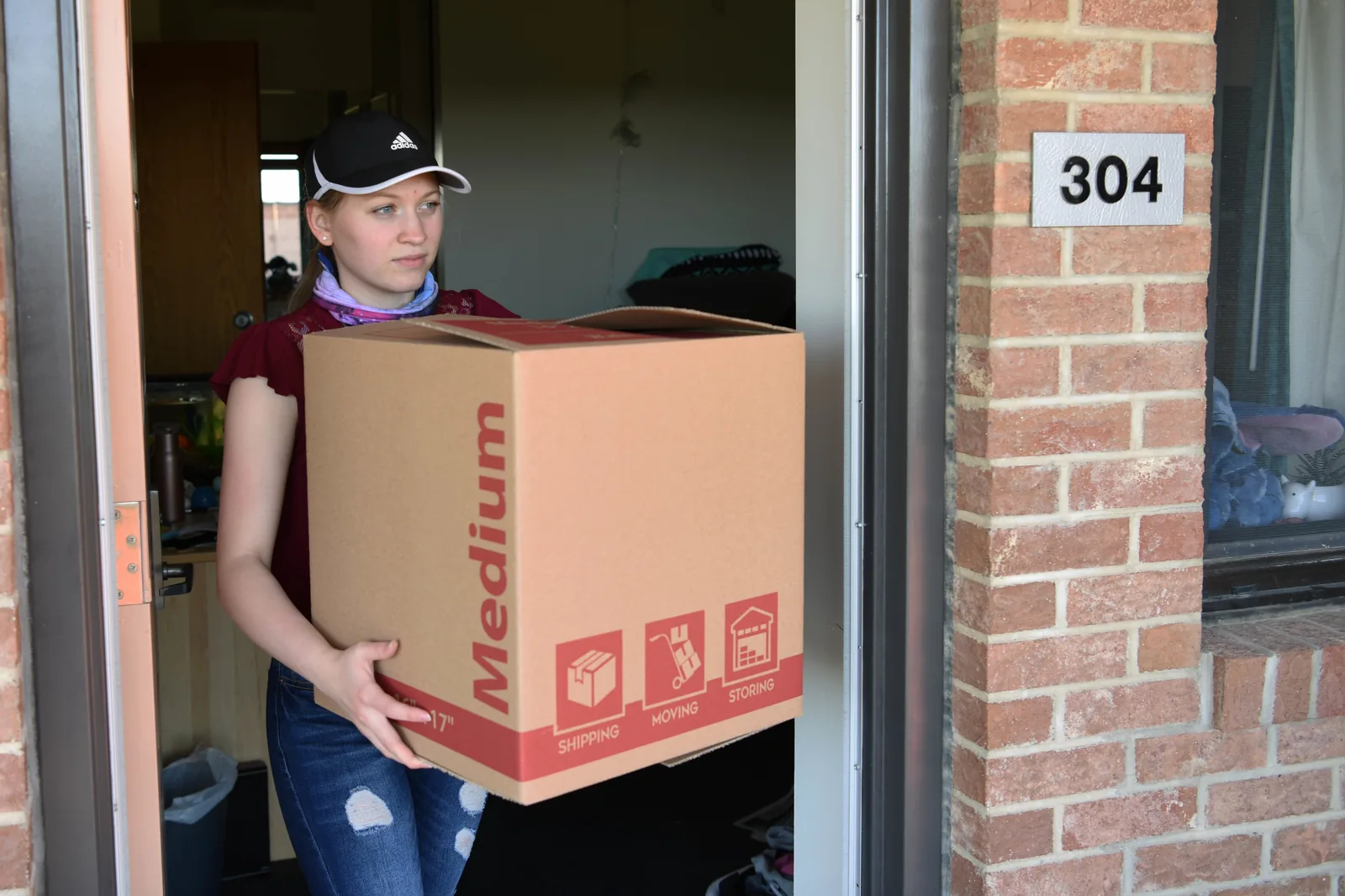
Student Move Out Cleanout
Amherst, Northampton and Westfield empty out on the same weekend every year. Book it in April.
Learn More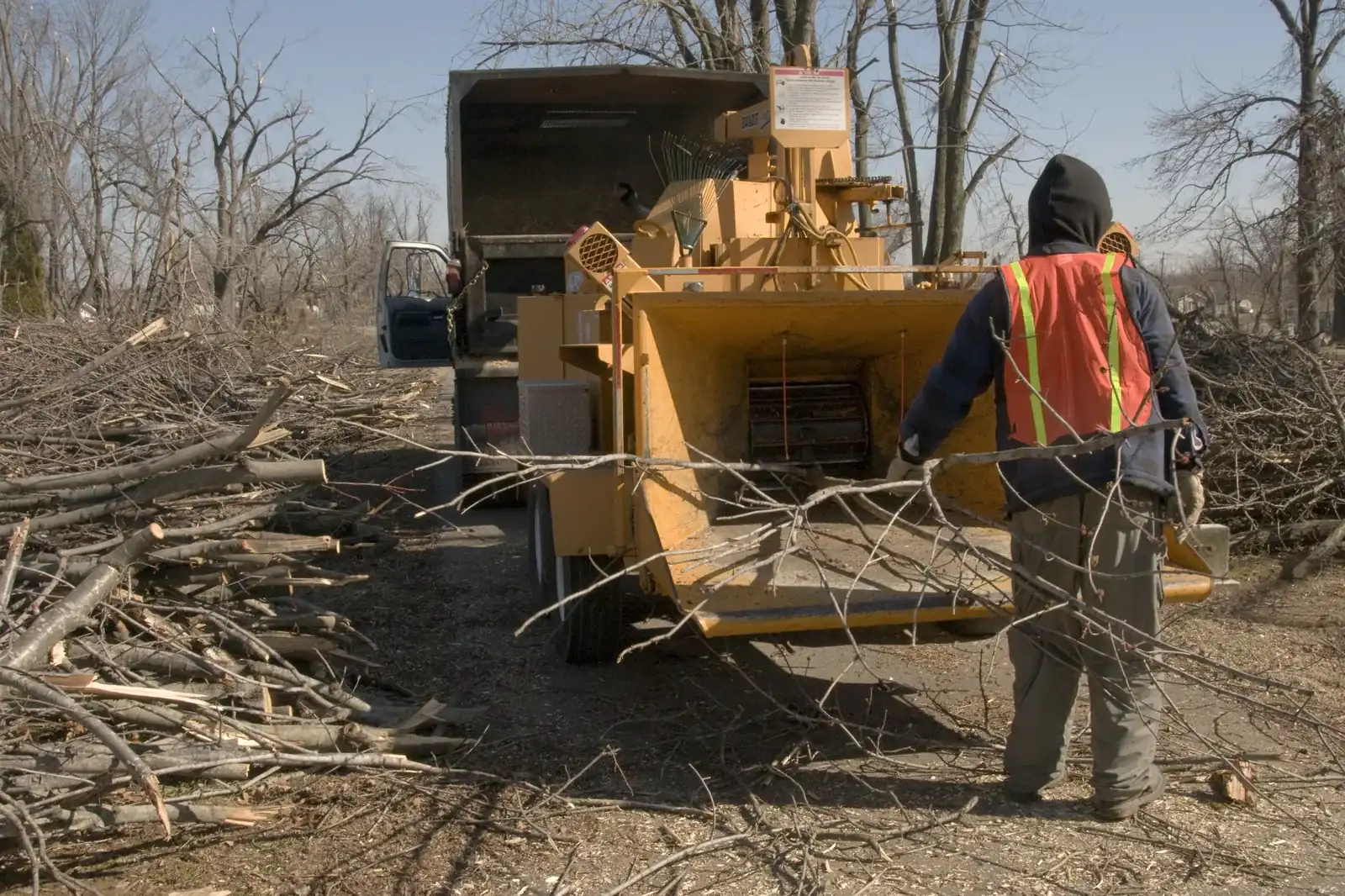
Yard Waste and Brush Removal
Brush and storm debris, composted or chipped. Banned from Massachusetts landfills since the early nineties.
Learn MoreWhere Your Stuff Actually Goes
Less of it reaches a landfill than you would think, because in Massachusetts a lot of it legally cannot. This is the part of the job nobody explains, and it is the reason the price is what it is.
The rule is 310 CMR 19.017. It bans eighteen categories of material from disposal at landfills, transfer stations and waste to energy plants. Most people living here have never heard of it, which is fair, because it came in over thirty years and nobody sends a letter.
What happens to each thing in a normal load
- Metal goes to a scrap yard. Banned from disposal since 1 July 2006, and because the yard pays for it, metal is the one thing in a load that lowers your price rather than raising it
- Mattresses go to a recycler that takes them apart. Over 75 percent of one is recovered as steel, foam, wood and fiber. Banned since 1 November 2022
- Textiles go to donation or textile recycling. Clothing, bedding, towels and curtains, all banned on the same date. Textile recycling takes worn and stained items a charity would refuse
- Electronics go to a certified processor. Tube televisions have been banned since 1 April 2000, and a single one holds around four pounds of leaded glass
- Appliances go to scrap, after a certified technician recovers the refrigerant, which is a separate federal requirement
- Construction wood, brick and concrete go to a construction and demolition facility. Banned from landfills since 2006, gypsum wallboard since 2011
- Yard waste goes to composting or chipping. Off the list since the early nineties
- Anything still usable should go to a donation site, and it is worth asking a hauler which ones they actually use before you book rather than after
Why this is not just a nice story
Transfer stations run load inspections. A hauler who buries a mattress in a mixed load gets the whole load rejected or surcharged at the gate, and that cost gets passed to somebody. Sorting on the truck is not fussiness, it is staying in business.
MassDEP guidance is also explicit that the generator and the transporter are each responsible for waste ban compliance. You are the generator. Hiring somebody does not entirely transfer that, which is a modest but genuine reason to care where your things actually end up.
How This Actually Works
You Call Or Send The Form
Tell us what needs to go, roughly how much there is, and which town you are in. Photos help more than words, because volume is very hard to describe accurately.
It Goes To One Hauler
Not six. One independent hauler who works your town. Your details are not sold on and your phone does not start ringing all week.
They Come And Price It
Junk removal is priced on how much room your things take in the truck, so the number is set on sight. You say yes or no before anybody touches anything.
It Goes, Sorted
You point, they carry. Nothing needs to reach the curb. Metal to scrap, mattresses to a recycler, electronics to a processor, and the rest to a transfer station.
What It Costs in Western Mass
Minimum Load
Quarter Truck
Half Truck
Full Truck
What moves the number
Three things sit on top of volume. Stairs, because every flight costs time and time is what you are paying for. Weight, for dense material like plaster, tile and concrete, which hits a truck's legal limit long before it fills up. And disposal fees for anything Massachusetts bans from the trash, which is a mattress at $30 to $50 and an appliance with refrigerant at $25 to $50.
Two things bring it down. Metal in the load, because scrap has value at the yard. And gathering everything into one trip, because the minimum charge is already paid and the truck is already at your door.
For comparison, Angi puts the Boston average at around $296 with a range of $164 to $441. Western Mass sits modestly under that, because labor and tipping costs here are lower.
From Call To Empty Room
You Call
Say what it is, what floor it is on, and which town. Mention stairs, because that changes the job more than the item list does.
One Hauler Gets It
Somebody who works your town. They call you back to agree a time. Nobody else gets your number.
They Arrive And Quote
They look at the pile and give you a price. It is set on sight because volume cannot be judged over the phone. You agree it before any work starts.
It Gets Loaded
Out of whatever room it is in, down the stairs, into the truck. Sorted as it goes, because six categories of a normal household load cannot legally be tipped together.
The Space Gets Swept
Empty and usable, not just empty. That is the standard to ask for and the one to hold them to.
What Massachusetts Bans From The Trash
Eighteen categories, added one or two at a time since 1990. Two of them landed on 1 November 2022 and they are the ones that catch people out.
Mattresses and box springs were banned that day, at any size. So were textiles, which the regulation defines as clothing, footwear, bedding, towels, curtains and fabric. A bag of old clothes is not trash in this state. Neither is a duvet, a pair of shoes or a set of curtains.
Before those, the notable ones were tube televisions and monitors on 1 April 2000, which is over twenty five years ago and still surprises people. Construction wood, metal, brick, concrete and asphalt on 1 July 2006. Clean gypsum wallboard on 1 July 2011. Large appliances back at the end of 1991. Leaves and yard waste in 1991 and 1992.
The exemptions are narrower than people hope
Mattresses and textiles contaminated with mold, bodily fluids, insects or oil are exempt and can be disposed of, which genuinely covers the mattress that came out of a flooded basement. The mattress ban also excludes pads, toppers, pillows, waterbeds, air mattresses and futons. There is no small mattress exception, so a crib mattress counts the same as a king.
One thing nearly every website gets wrong
Several of these are landfill restrictions rather than blanket disposal bans. Wood is the clearest case: construction wood cannot be landfilled, but it may still go to a municipal waste combustion facility. A page telling you flatly that wood cannot be disposed of at all is overstating the rule, and it is worth knowing when you compare what two haulers tell you.
What Your Town Already Does For Free
Sometimes the answer is that you do not need to pay anybody, and we would rather say so than sell around it. The catch is that the towns here do wildly different things.
Chicopee
There is a drop off center on Baskin Drive, open to residents Tuesday through Saturday, which takes mattresses, appliances, electronics, scrap metal, tires and a good deal more. There is also a curbside bulk pickup program booked through the city's online permit system. Construction debris and commercial waste are excluded and remain the property owner's problem.
Springfield
Bulk collection at $8 per sticker per item, but only for residents and properties paying the annual trash fee. Mattresses and box springs need two stickers each, so $16, and have to be sealed in a plastic mattress bag you buy yourself. Booked by advance phone request through 311.
Holyoke
No curbside collection for furniture, mattresses, appliances, televisions or computers at all. There is a drop off on Canal Street open Tuesday and Thursday, which needs a Refuse Disposal Card and a vehicle. In a city where roughly 71 percent of households rent and much of the housing is three and four story walk ups, that leaves a lot of people with no municipal option.
Everywhere else
Most of the smaller towns run a transfer station rather than full collection, and thirty of the sixty eight towns here have no curbside service for anything heavy. Fees and hours change often enough that printing them on a page like this one would do more harm than good, so check your own town's public works page.
Every one of those programs has the same catch: you get it to the curb, on their schedule, in your own vehicle. That is fine with a pickup and a free Saturday. It is not an option for a couch on a third floor.
What To Ask A Junk Hauler Before You Book
A hauler cannot really publish this list, because they are the party being asked. We can, because we are not the ones doing the work.
- Do you hold a Board of Health permit for my town? Massachusetts requires one under M.G.L. c.111 s.31A, in every city or town where a hauler collects. It expires every 31 December, it is not transferable, and a lot of operators do not have one
- Is the quote final, or is there a weight cap? On construction debris there usually should be one. Ask what happens if the load goes over it
- What is the fee for the mattress, and is it included? It should be $30 to $50 and it should be in the number you were given, not added later
- Do you recover the refrigerant, or is that extra? Federal law requires it before an appliance can be scrapped. It is a legitimate charge and it should be stated up front
- Which donation sites do you actually use? Ask before booking, because you cannot check afterwards. Specific answers mean real relationships. Vague answers usually mean the transfer station
- Are you insured, and can I see it? Anybody carrying a piano down your staircase should carry their own liability cover
- What will you not take? The right answer includes paint, motor oil, solvents, propane cylinders and asbestos. A hauler who says they will take all of it is telling you something
- Who is doing the work? Two people for anything over 150 pounds, and more for a piano or a hot tub. One person and a pickup is a different service at a different price
None of that is adversarial. A good hauler will answer all eight without hesitating, and the ones who cannot are exactly the ones you want to find out about before they are in your basement.
FAQ
Are you actually a junk removal company?
−What does junk removal cost around here?
+What happens to it after it leaves my house?
+Why do mattresses cost extra?
+Do I have to drag it all to the curb first?
+Do I need to be there?
+What will a hauler not take?
+How fast can someone come out?
+Towns We Cover


Guides For Western Mass Homeowners

Get a free quote from a local junk hauler
Tell us what needs to go. We pass it to one independent hauler who works your town, and they give you a price. No fee, no contract, and nobody else gets your number.
Call Now(413) 505-8565We connect you with independent Western Mass junk haulers. We are not a hauler.